

LifeLine Animal Project Group Volunteering: Plan a Church Service Day |
Check team size, age and project options before sending a group inquiry. |

A church service day with LifeLine Animal Project starts with a head count and an honest look at who will participate. Before offering a date to the congregation, decide whether you have an adult community group, a youth group, or several families who may need a different route. That distinction matters because LifeLine lists different group sizes and supervision requirements. The first message should ask what the shelter can use, give a realistic roster and leave room for the organizer to suggest a project. Match the roster to the inquiryLifeLine’s group volunteer guidance lists five to 20 participants for student, community and nonprofit groups. Its youth and educational group category lists three to ten youth and requires one adult guardian for every five youth. LifeLine treats families differently from organized youth groups and points eligible families to the youth and family onboarding route. Ask which category applies if your roster includes both adults and children. Give actual ages where relevant and check whether the supervising adults need to complete any steps before arrival. Choose one coordinator to collect commitments. Have that person give LifeLine a head count, a couple of dates, the time your team can commit and a description of the work the group can do comfortably. Explain any needs that affect the assignment without circulating private details in a group message. You can use the same planning approach outlined in our Atlanta ToolBank warehouse volunteering guide, where the job and the team need to fit before the date makes it onto the calendar. |
 Illustrative shelter dog. Photo by Rachel Claire on Pexels. |
Ask what project would helpLifeLine describes opportunities that can include enrichment projects and support outside a shelter. Ask which projects are currently available and whether materials, transport or a specific delivery window are involved. If the group wants to assemble something away from the shelter, get the current specifications and quantity first. A work session is easier to organize when every table has the right materials and someone is responsible for delivering the finished items. If people want to volunteer independently on a recurring basis, send them to LifeLine’s individual volunteer program so they can see the application and orientation process for individuals. For another model of organizing an Atlanta church service team, our Atlanta Community Food Bank team guide walks through choosing a suitable group assignment. Decide which kind of commitment your group is ready to make before asking volunteers to sign up. |
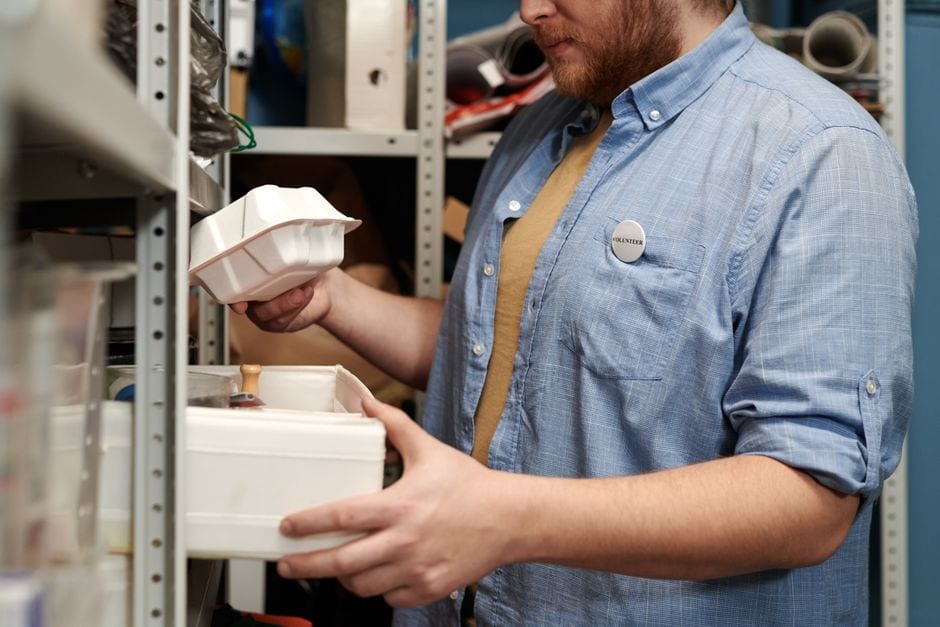 Illustrative volunteer organizing supplies. Photo by Julia M Cameron on Pexels. |
Send one clear confirmationOnce LifeLine confirms a project, send the group the assigned location, meeting time, footwear or clothing guidance, supervisor contact and any forms. Include an answer deadline so you can report a change in numbers early. If a shift is outdoors, ask the organizer when it decides whether weather changes the plan. A short briefing at the start can keep volunteers from missing instructions. Tell people who will introduce the project, where completed work should go and what to do if they need a different task. Afterward, ask your contact whether the result met the need and whether the shelter wants the same kind of help again. Record that answer for the next coordinator, along with the roster size and lead time that worked. If the church wants this to become a regular service option, ask LifeLine which tasks it can reliably schedule again. A second date should reflect the organizer’s needs and what your volunteers learned. Keep a short record of setup time, materials used and the size of the group that could work comfortably. |
0 Comments
Join the conversation
Be the first to comment
Share your thoughts above.