Second Helpings Atlanta Volunteer Routes: Plan Your First Food Rescue Drive |
Check the pickup, drop-off and vehicle requirements before committing to a food rescue route. |
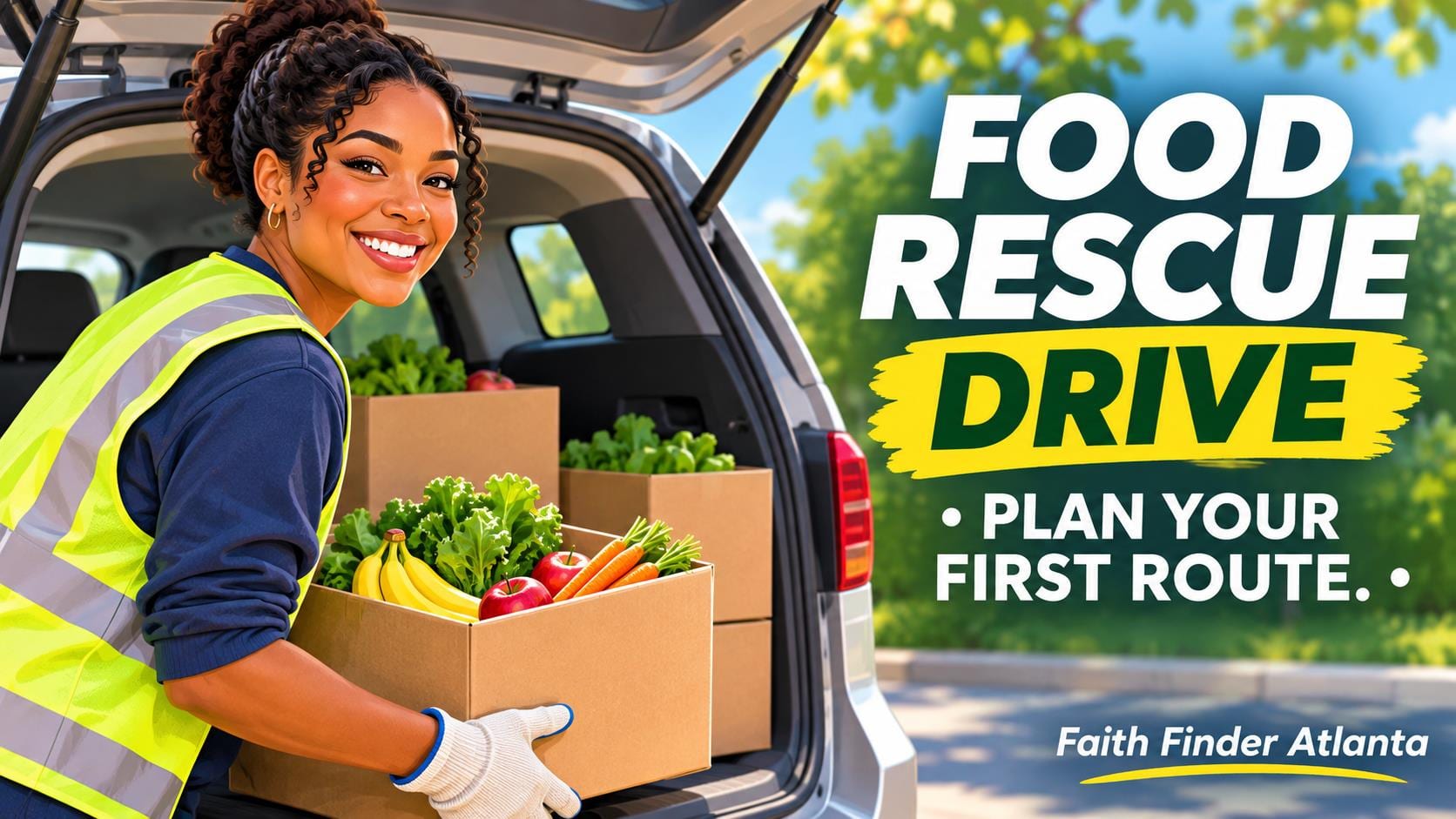
A church volunteer who has a little time between other commitments can use it to move donated food across Atlanta. Second Helpings Atlanta pairs volunteer drivers with pickups from food donors and drop-offs at organizations that serve people facing food insecurity. The best first step is to pick one route you can carry through from start to finish and check the instructions before claiming it.
The nonprofit’s volunteer page says drivers use their own vehicles. It lists opportunities seven days a week, with most routes taking 90 minutes or less. Drivers must be at least 18. Adults can claim an opening as their schedule allows or take a repeating weekly route. Allow enough time between other commitments to handle traffic and an unfamiliar check-in. |
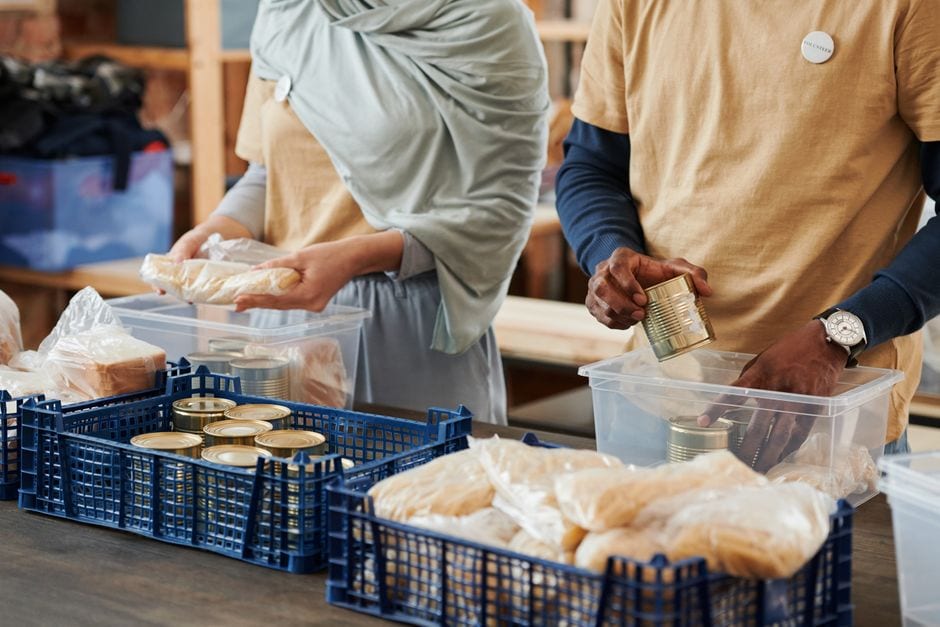 Illustrative food-service preparation. Photo by Julia M Cameron on Pexels. |
Check the route before taking itUse the nonprofit’s app to create an account and see current openings. Read both ends of a route. One pickup may be close to your home while its drop-off is in another part of town. Check when and where the donor expects you to arrive, then check how the receiving agency wants you to deliver. Follow the route instructions rather than using the main address for a building with several entrances.
The volunteer driver FAQ says drivers need a valid license. It also explains that some routes require a cooler or ice packs, while others call for containers such as bags, boxes or totes. Use the instructions for the assignment to decide what to bring. Make space in the vehicle before leaving and ask the coordinator if anything in the instructions is unclear.
Save the organizer’s contact information before the drive. If a conflict comes up, use the procedure in the FAQ. It distinguishes between a cancellation with notice and a same-day request for a substitute. The donor and receiving agency both depend on the handoff, so alert the organizer as soon as you know you cannot make it.
Keep the delivery instructions separate from anything you share with a church group. The people receiving the food do not need their situation described in a volunteer announcement. If the congregation wants to hear how the project works, explain the donor-to-agency handoff and let the nonprofit say which information and images can be shared. |
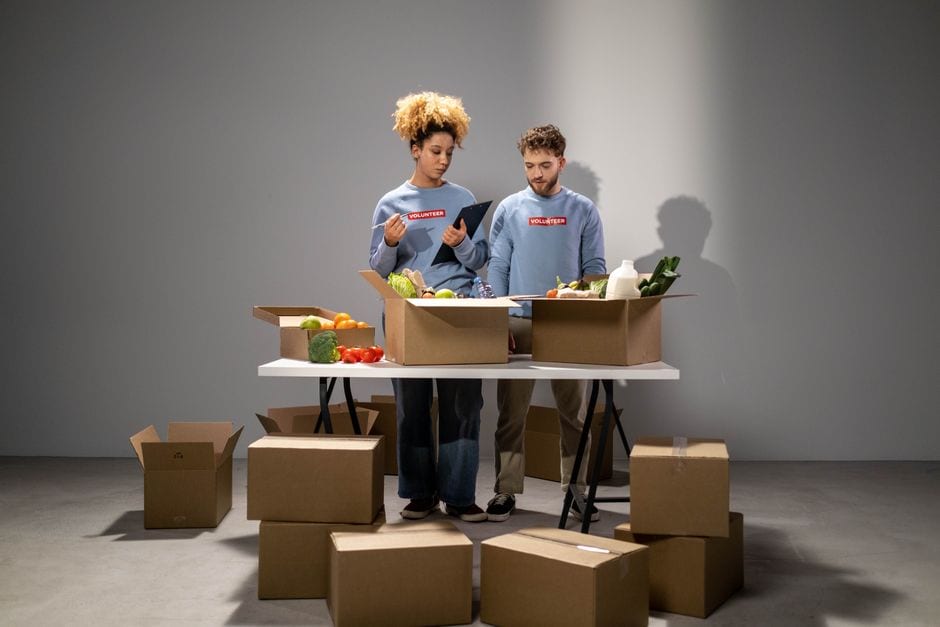 Illustrative community food work. Photo by cottonbro studio on Pexels. |
Choose a role that fits your groupA driving route can suit an adult who wants to serve independently. A church group that wants to work together can ask about the produce box packing role. The organization lists that option for individuals and groups of five to six per shift. Check the current signup for openings and instructions before recruiting volunteers or promising a group date.
If the schedule or role does not fit, compare our Atlanta Community Food Bank group signup guide and Hosea Helps registration guide. Each organization has its own way to place volunteers. Let the role and the number of available places determine the plan before you invite people to participate.
After the first delivery, note how much time you needed, which instructions helped and whether the vehicle setup worked. If you are considering a weekly route, decide whether you can reliably cover the pickup and delivery windows. A single route can also be a useful contribution when you have time to serve but cannot make the same commitment every week. |
0 Comments
Join the conversation
Be the first to comment
Share your thoughts above.